




Possibly the World’s Largest Ship Model Made of Matchsticks
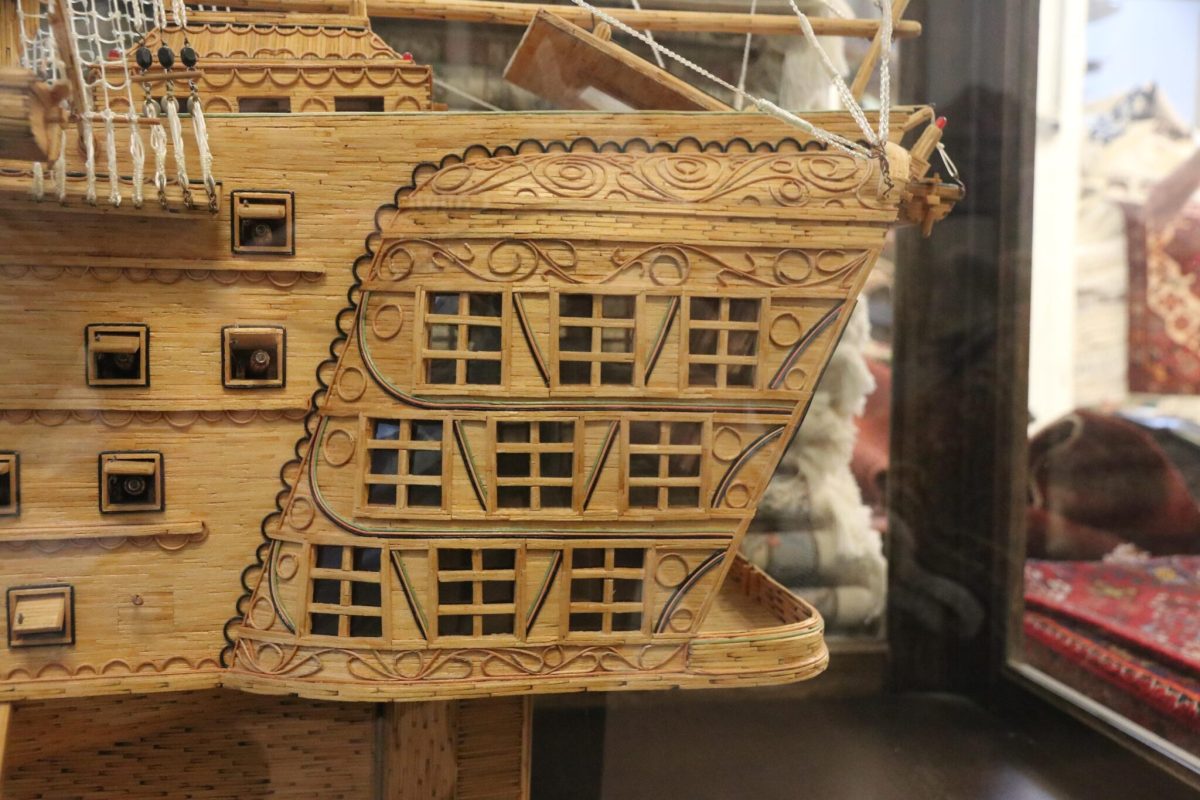
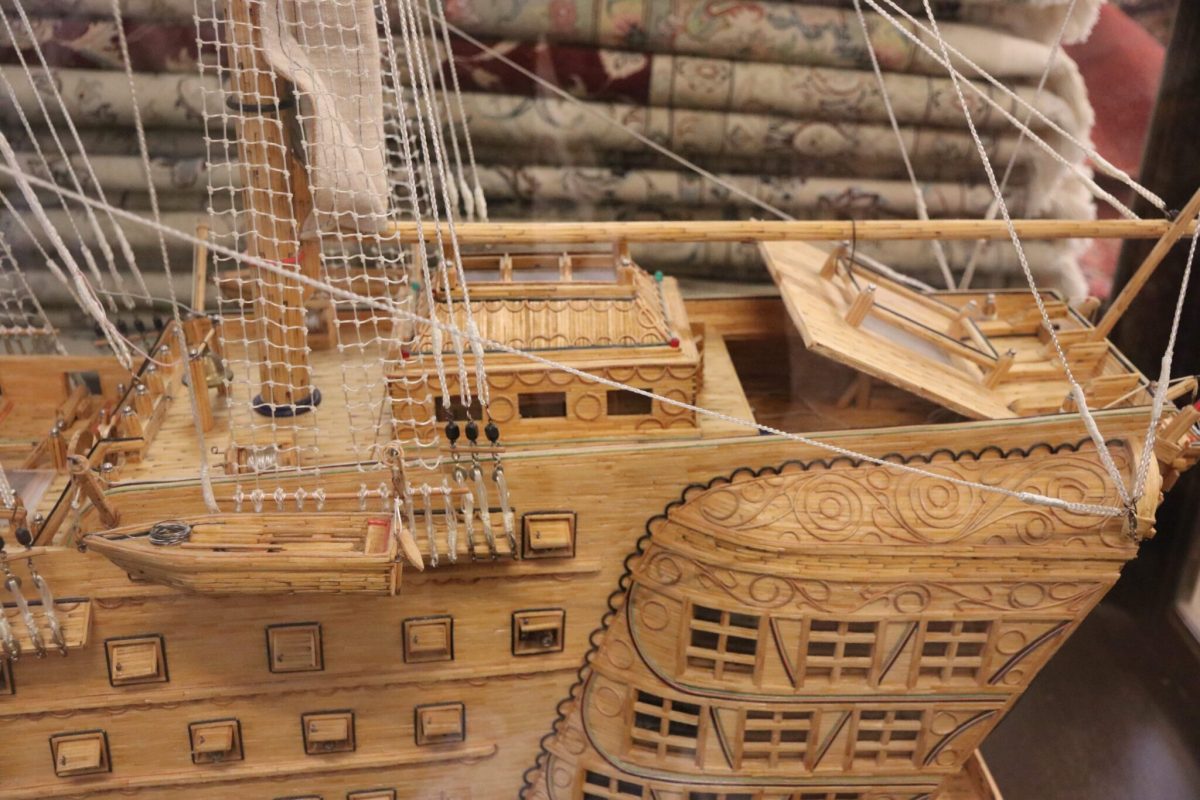
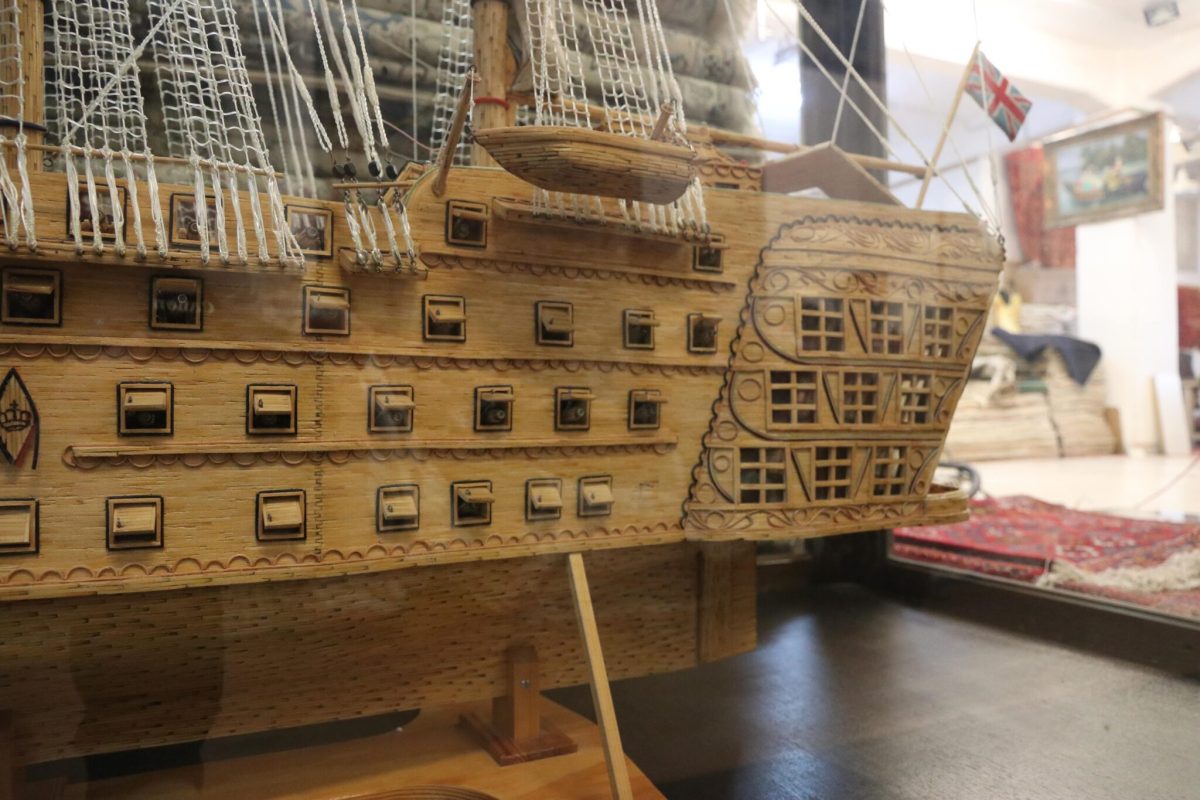
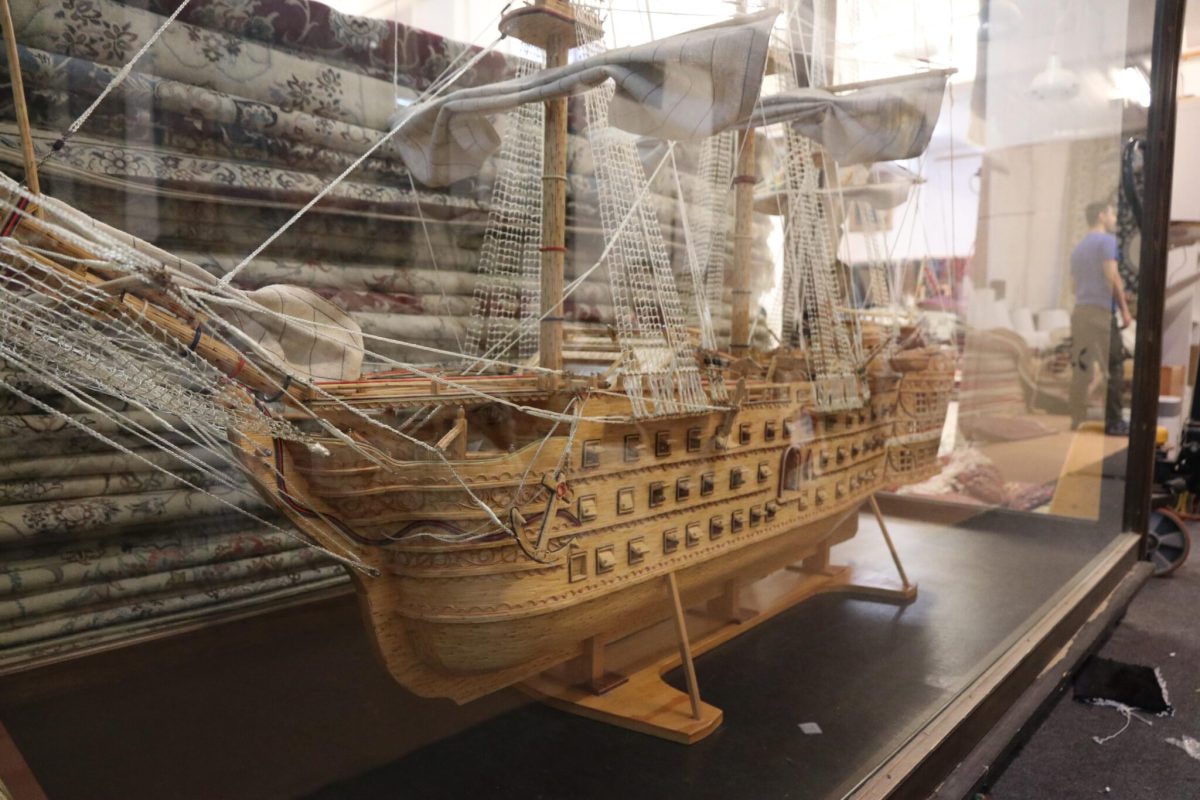
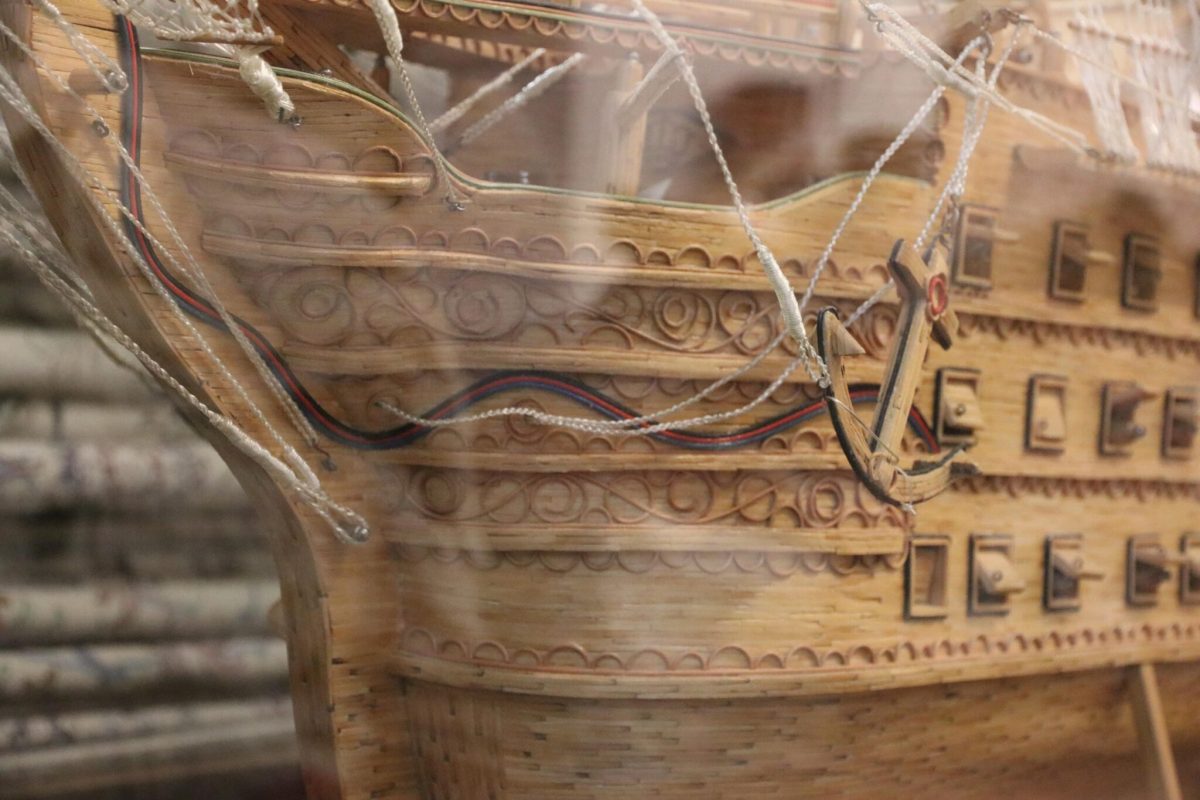
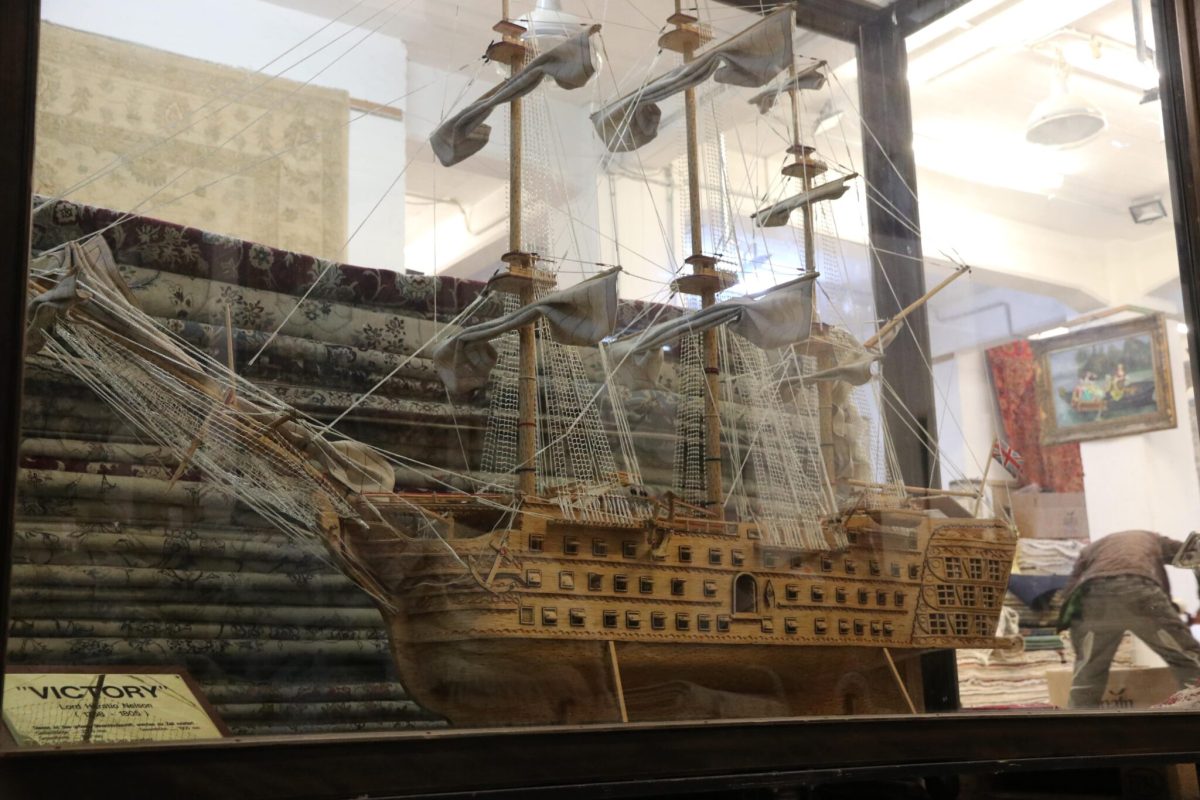
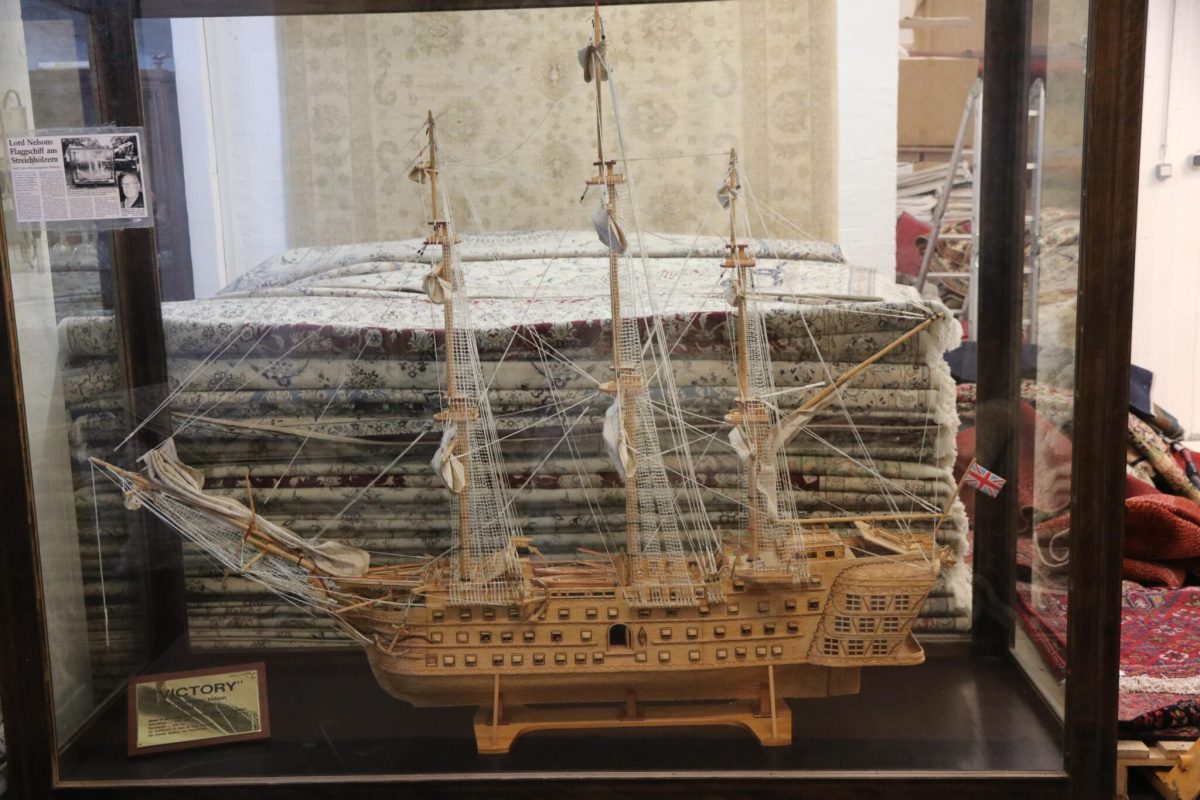
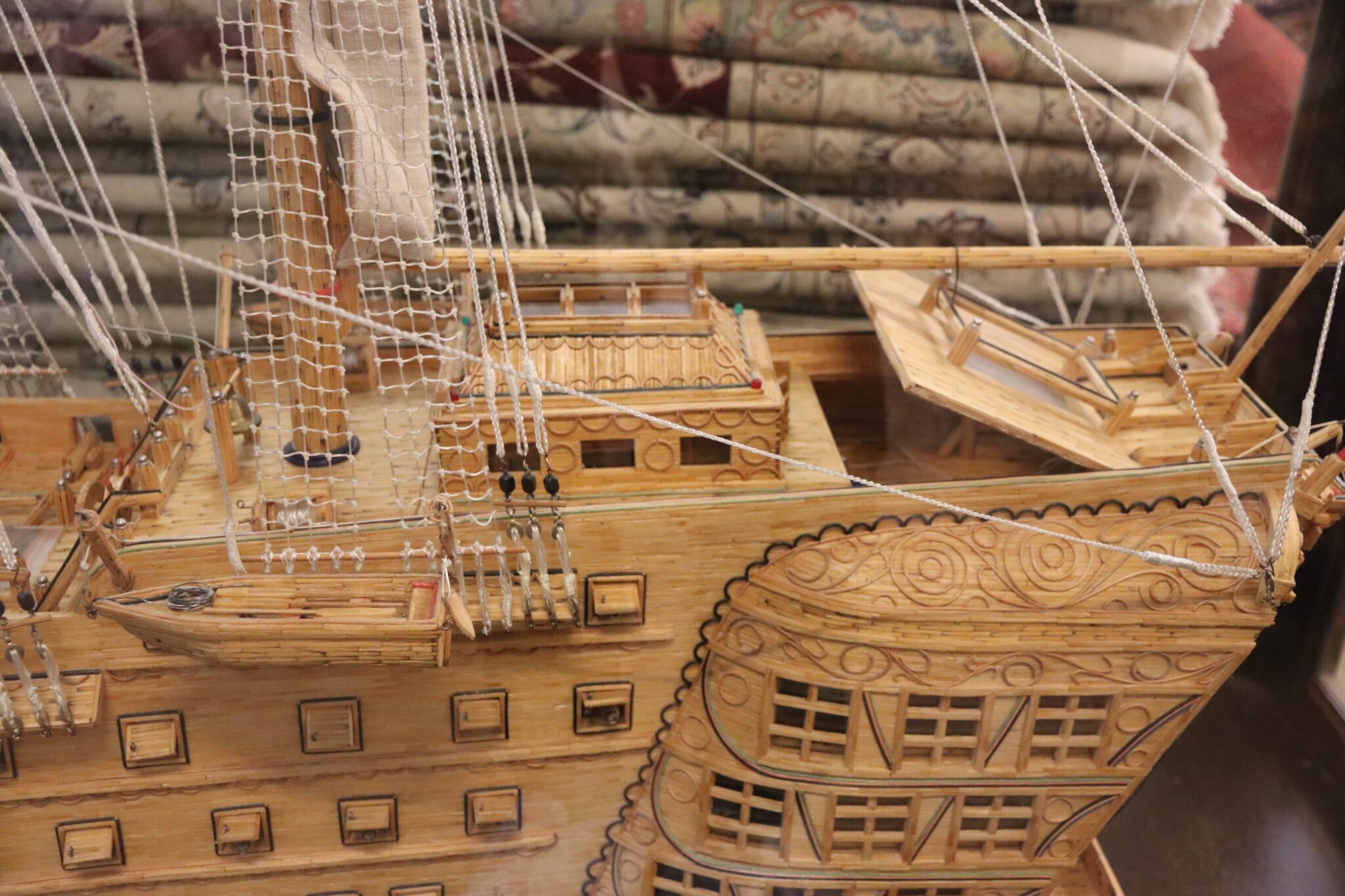
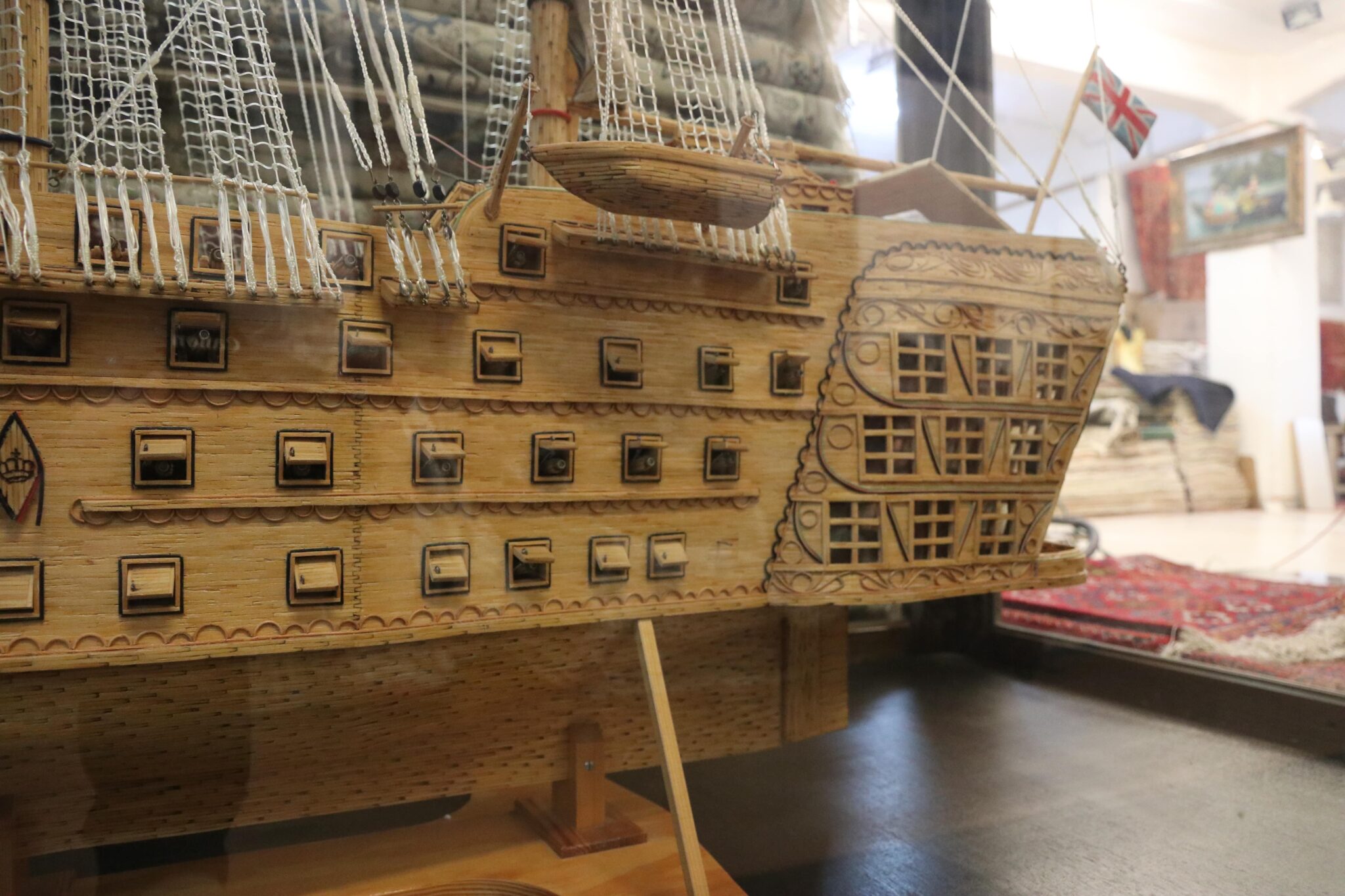
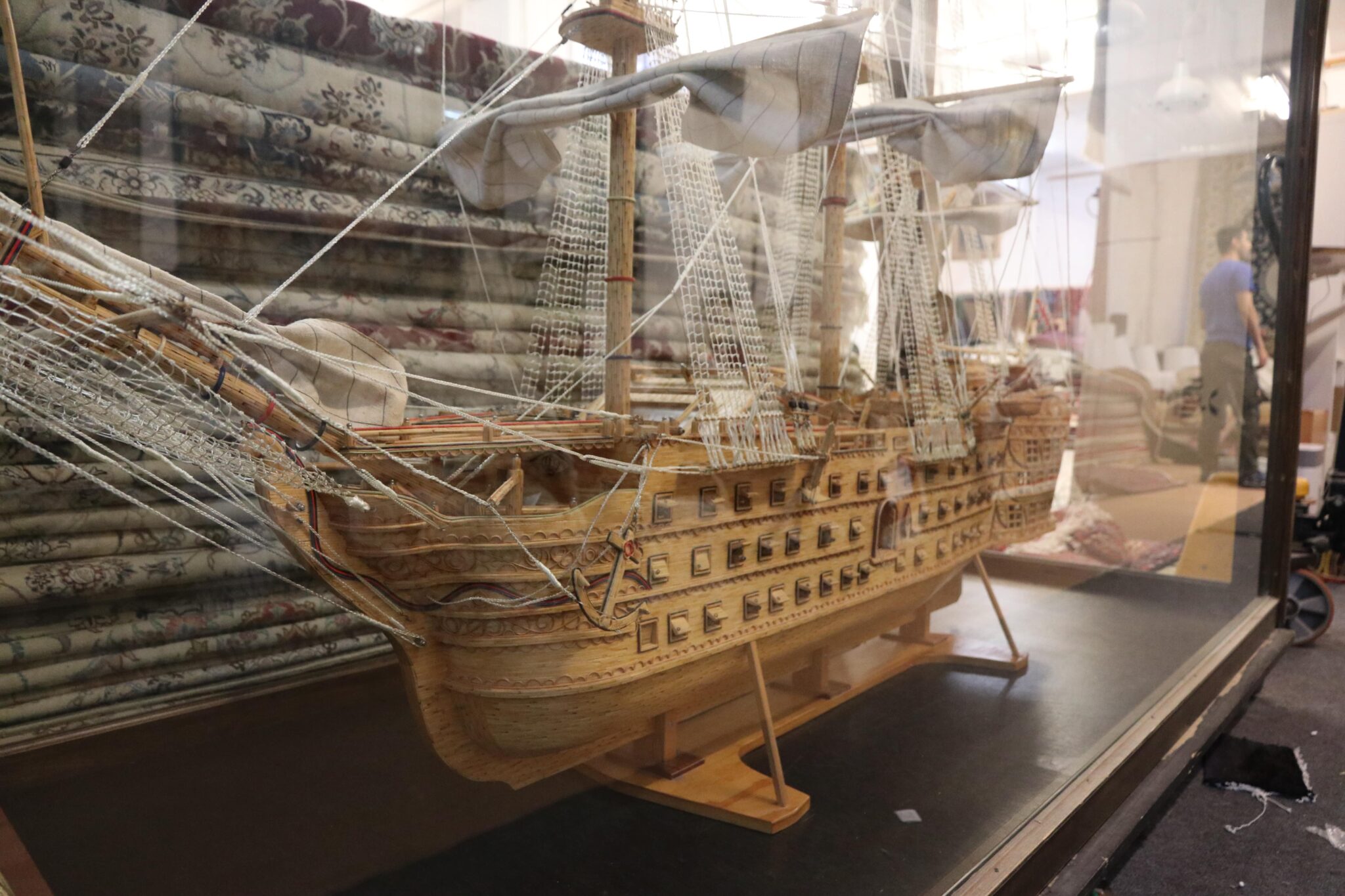
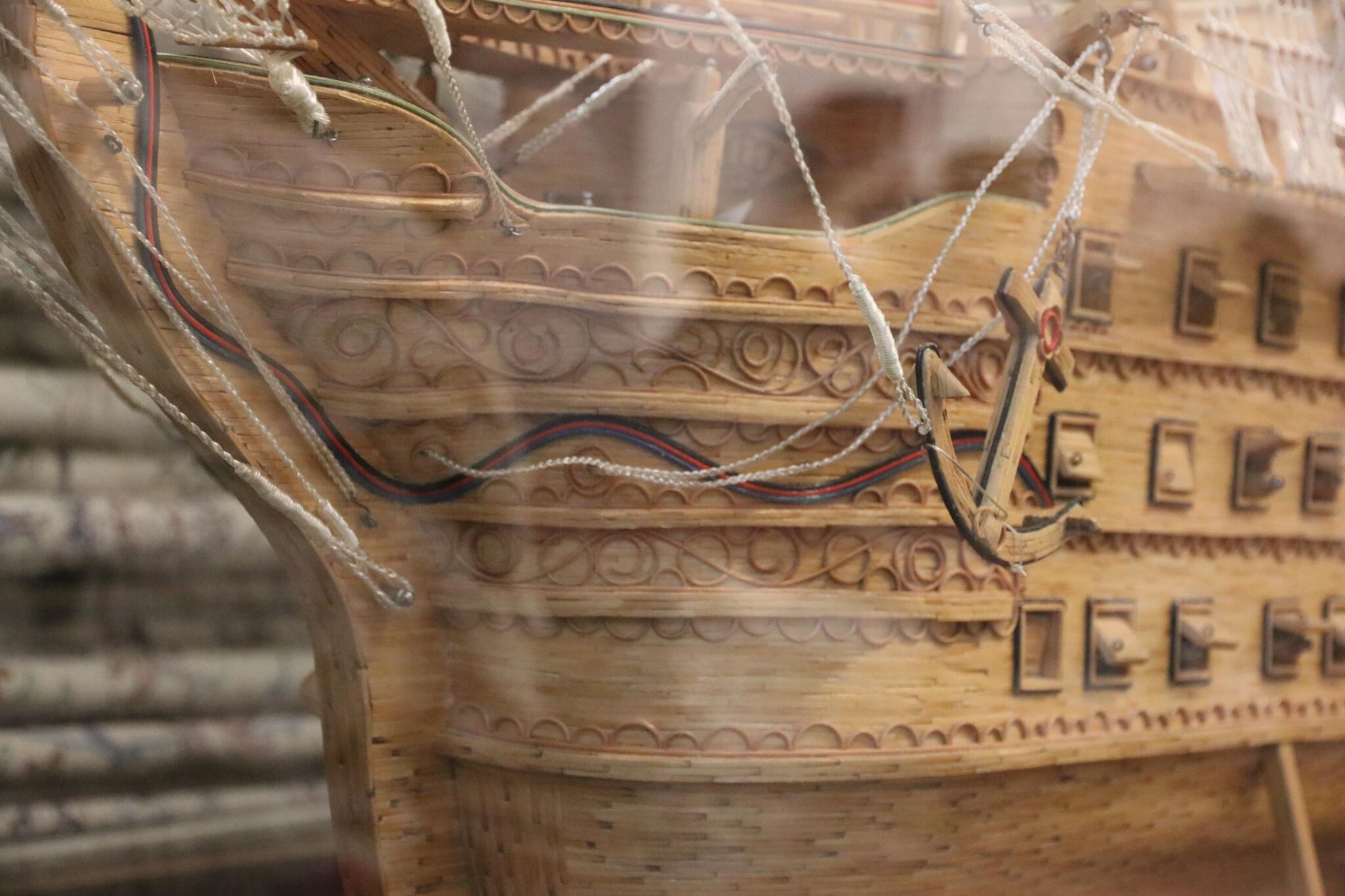
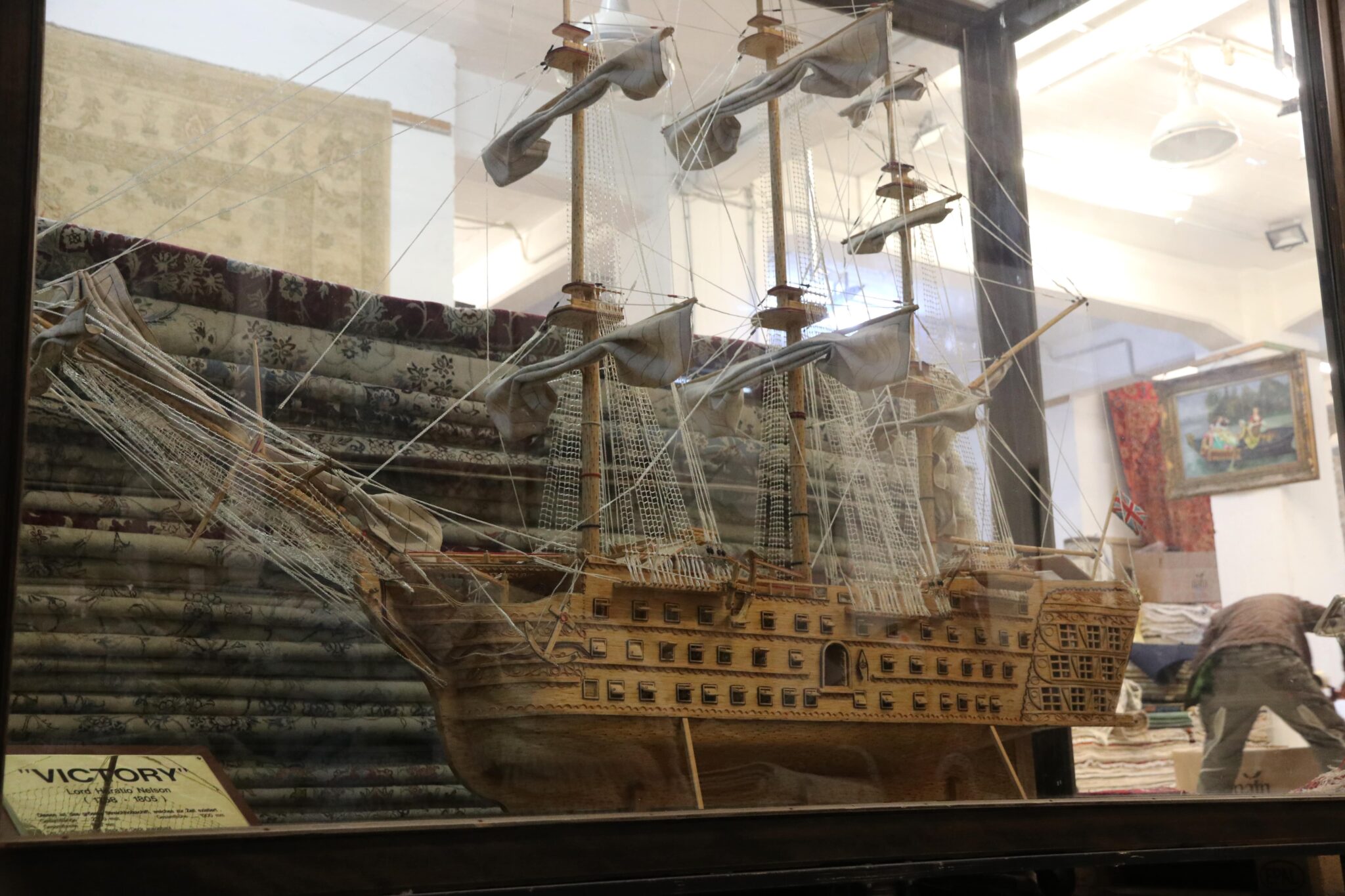
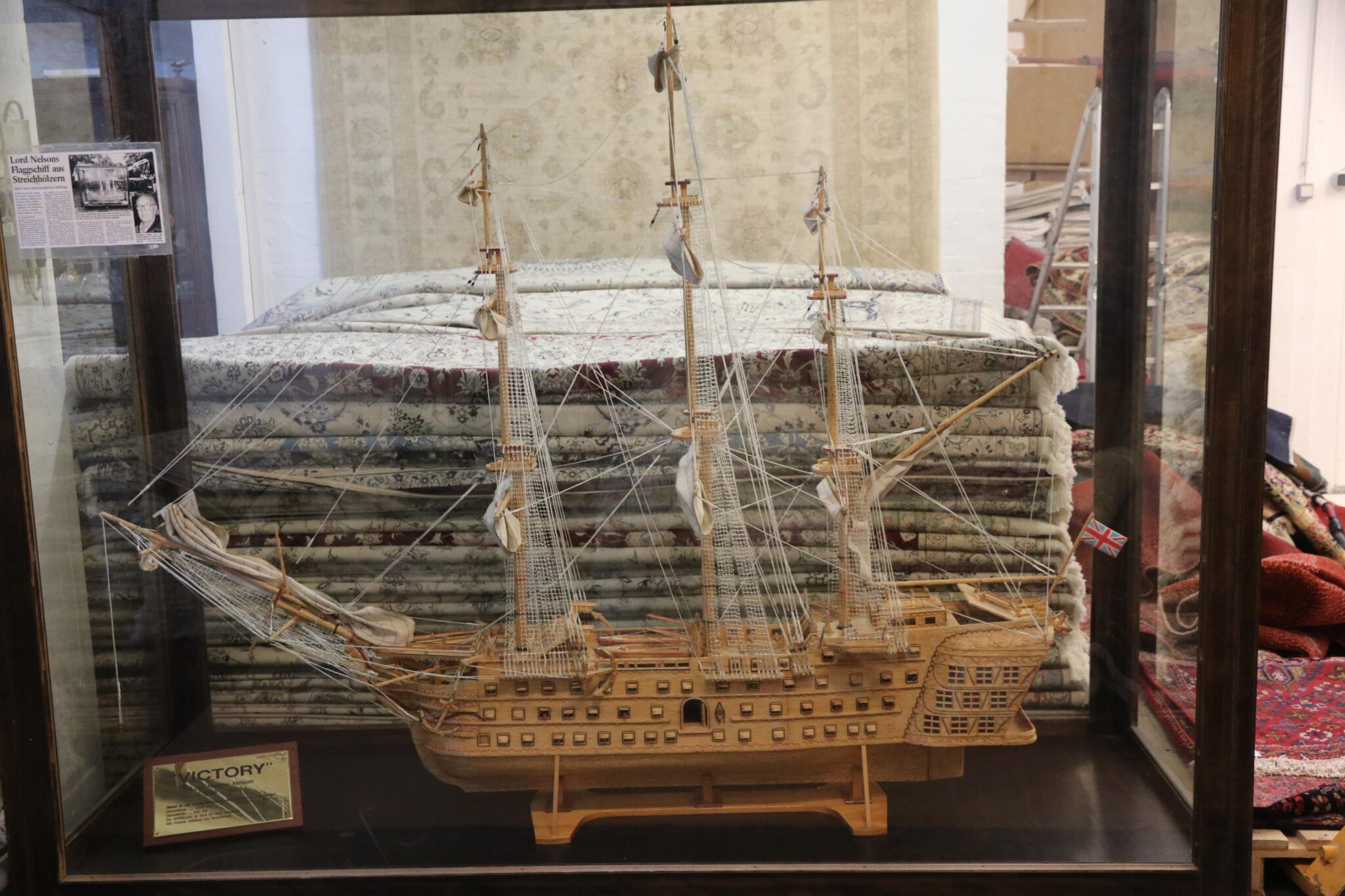
Lord Nelson’s flagship made of matchsticks
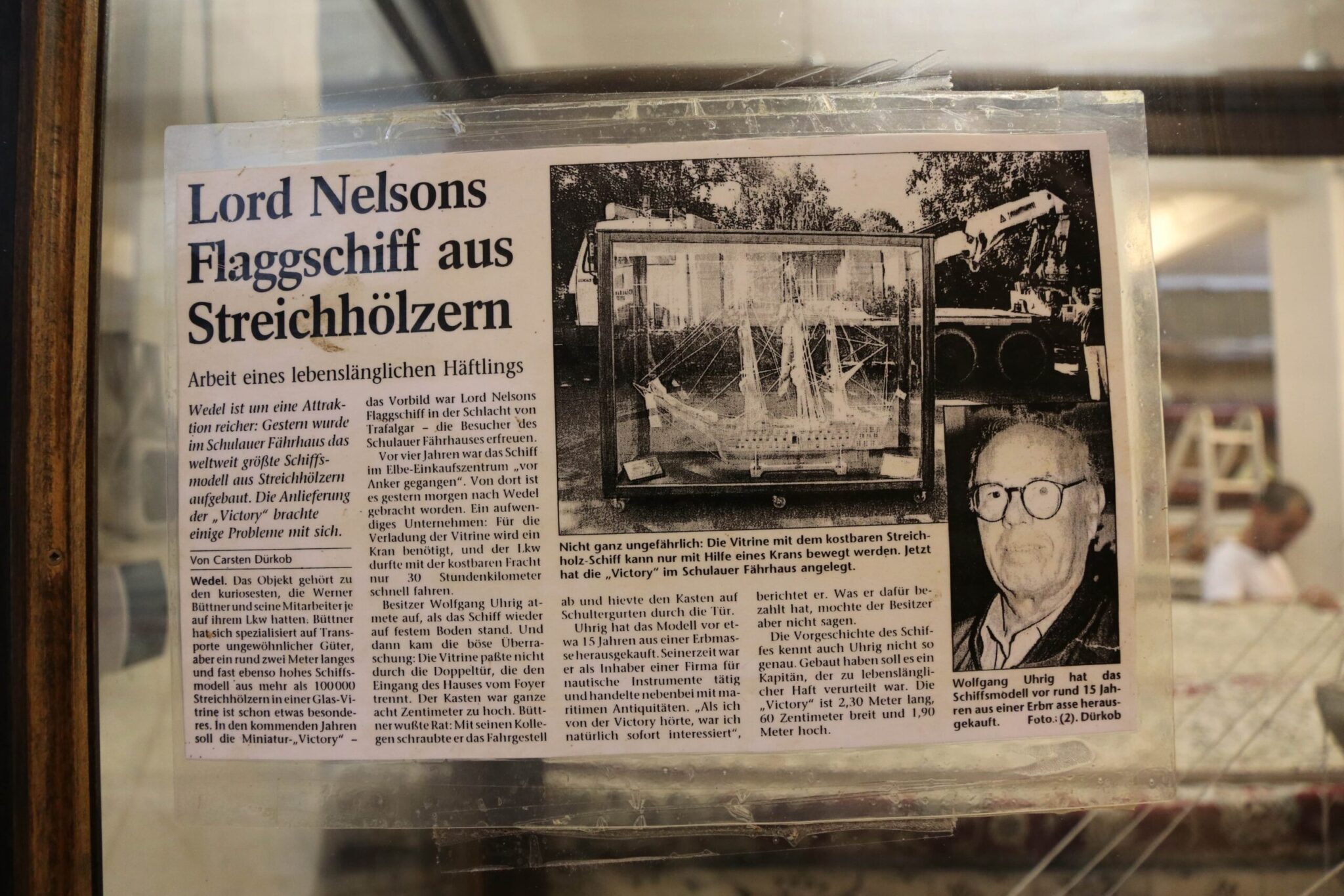
The work of a prisoner serving a life sentence
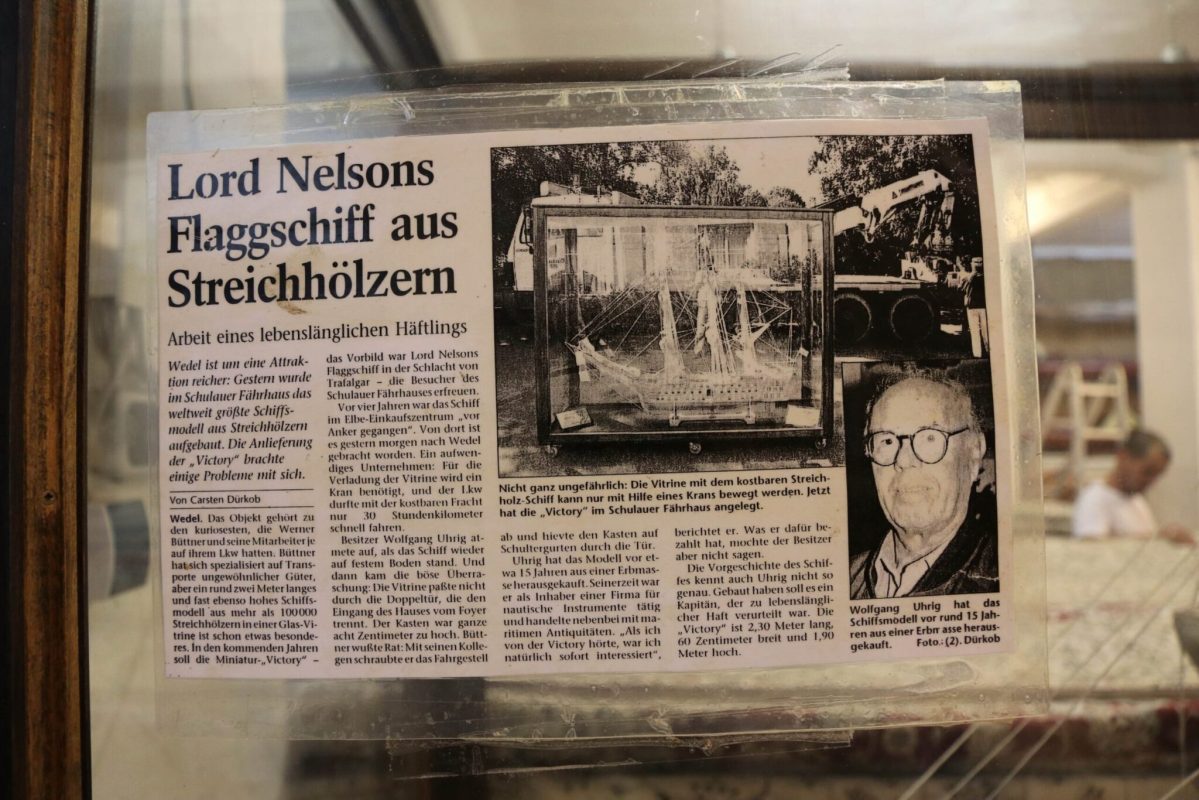
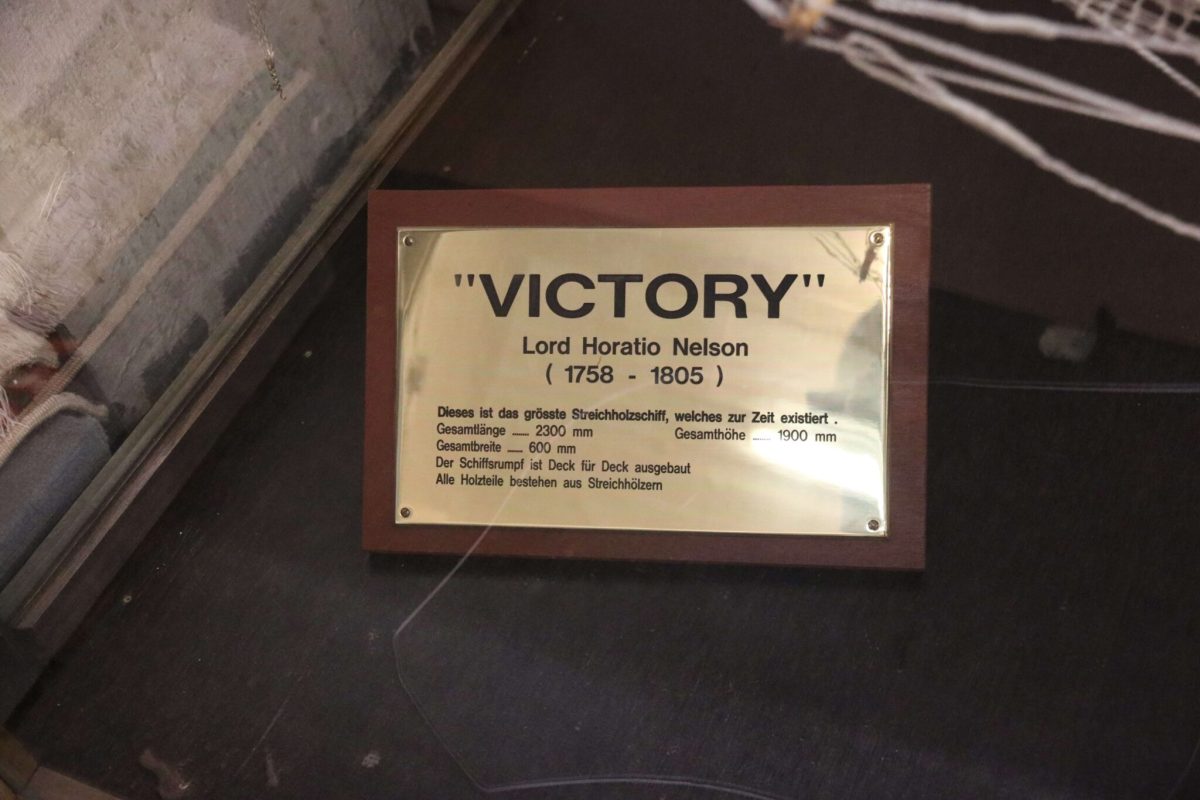
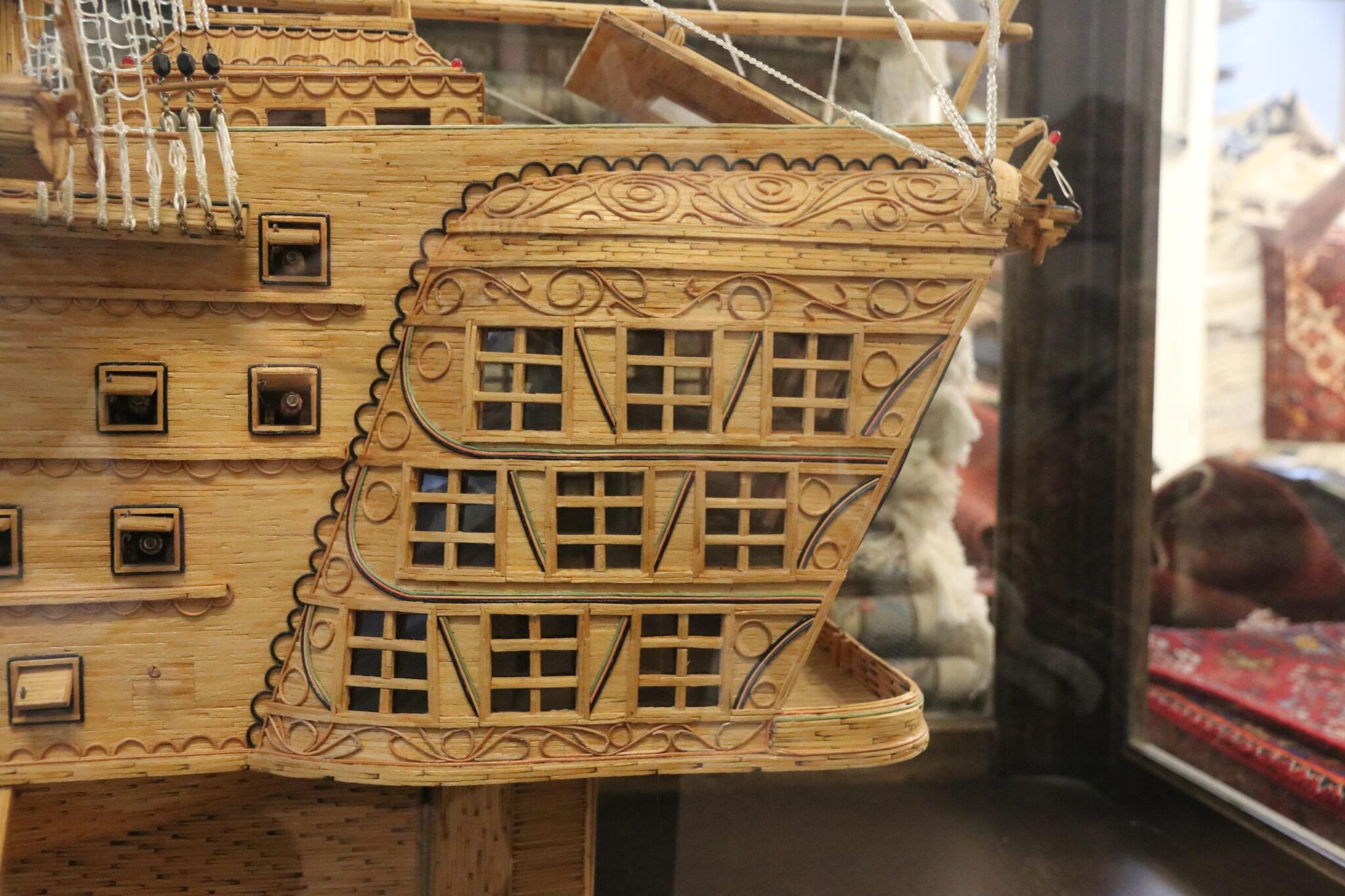
Wedel has gained another attraction: yesterday, the world’s largest ship model made of matchsticks was installed at the Schulauer Fährhaus. The delivery of the “Victory” presented several problems. The object is among the most unusual items Werner Büttner and his employees have ever carried on their truck. Büttner has specialised in transporting unusual goods, but a ship model around two metres long and almost as tall, made from more than 100,000 matchsticks and housed in a glass display case, is something quite exceptional. In the coming years, the miniature “Victory” — whose original was Lord Nelson’s flagship at the Battle of Trafalgar — is intended to delight visitors to the Schulauer Fährhaus. Four years ago, the ship had “dropped anchor” at the Elbe shopping centre. Yesterday morning, it was transported from there to Wedel. A complicated undertaking: a crane was required to load the display case, and the truck was permitted to travel at only 30 kilometres per hour. Owner Wolfgang Uhrig breathed a sigh of relief when the ship was back on solid ground. Then came the unpleasant surprise: The display case would not fit through the double doors separating the building’s entrance from the foyer. The case was a full eight centimetres too tall. Büttner knew what to do: together with his colleagues, he unscrewed the undercarriage and hoisted the case through the doorway using shoulder straps. Uhrig purchased the model from an estate about 15 years ago. At the time, he owned a company selling nautical instruments and also traded in maritime antiques. “When I heard about the Victory, I was immediately interested, of course,” he says. The owner does not wish to disclose how much he paid for it. Uhrig is also unsure of the ship’s earlier history.
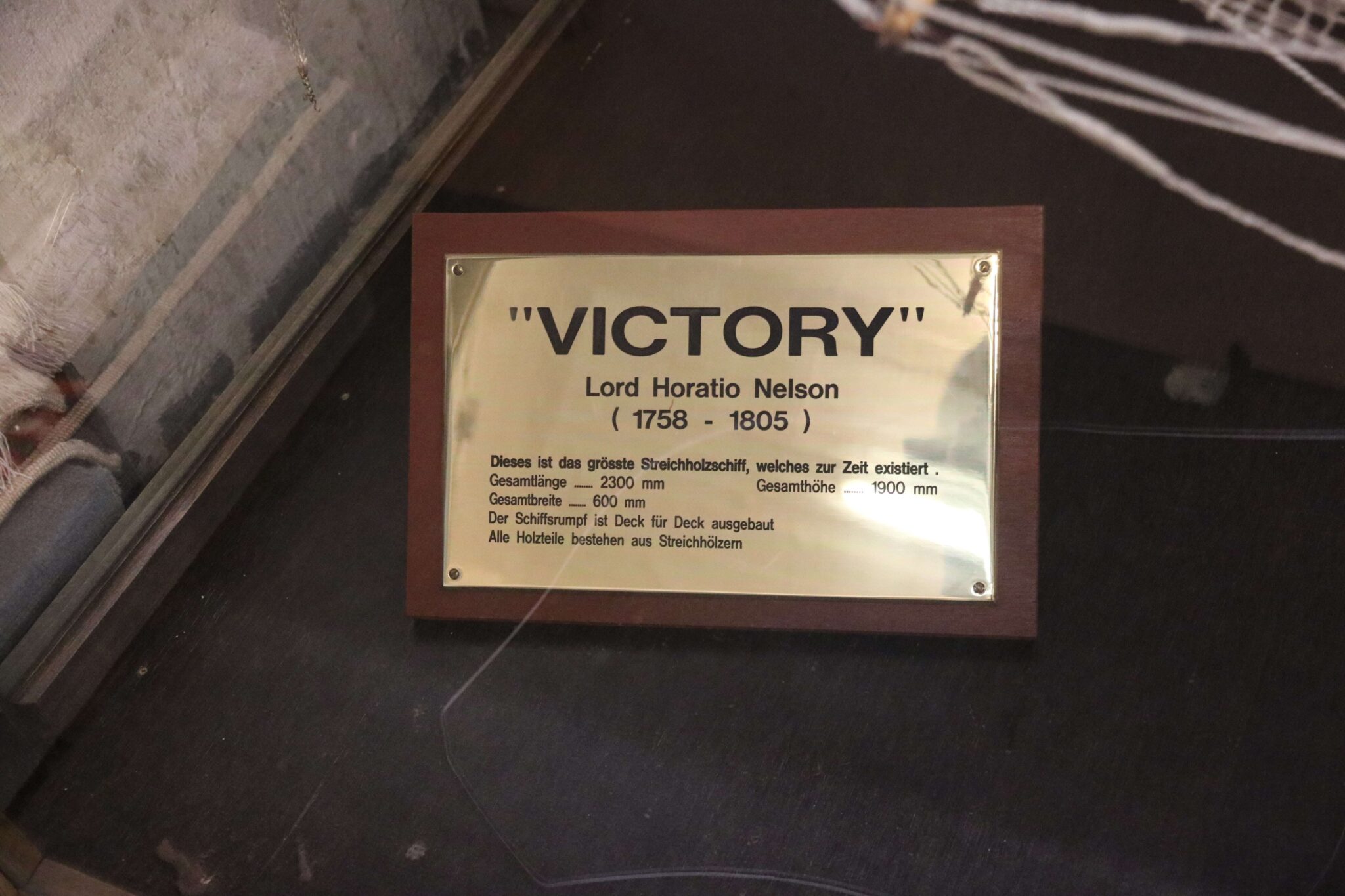
It is said to have been built by a captain who had been sentenced to life imprisonment. The “Victory” is 2.30 metres long, 60 centimetres wide and 1.90 metres high.
By Carsten Dürkob
This newspaper article appeared in an unidentified newspaper; the date of publication is also unknown.